Vizuara Research
Bootcamps
From foundations to publishing at top-tier venues. We run intensive AI & ML research bootcamps that prepare you to write and submit original research papers.
Publication Venues of Our Bootcamp Students
 ICML
ICML





 ICML
ICMLFeatured Research
A curated look at the papers our researchers and students have published at leading AI/ML conferences.
Research Bootcamps
Intensive training programs designed to accelerate your journey from learning AI/ML to publishing original research at top-tier venues.
Reinforcement Learning Research Bootcamp
Comprehensive program to write high-quality research papers in Reinforcement Learning.
Scientific Machine Learning Bootcamp
PINNs, Scientific Computing, Publication Guidance for real-world physics problems.
ML/DL Research Bootcamp
Deep Learning Architectures, Research Papers, and Industry Applications.
Gen AI Professional Bootcamp
Advanced Model Architectures, Research Methodologies, and Novel Algorithm Development.
AI High School Research Bootcamp
Research Fundamentals, Mentorship, and College Prep for high school students.
Computer Vision Research Bootcamp
Build foundations, work on impactful CV problems, and publish at top-tier venues.
VLA Bootcamp
Master Vision-Language-Action models and build AI brains for autonomous driving.
GPU Engineer's Bootcamp: 5D Parallelism
Code GPT-2 from scratch and distribute training across 8 GPUs with 5D parallelism.
AI Context Engineering Workshop
Master context engineering for LLMs and build production-grade AI agents.
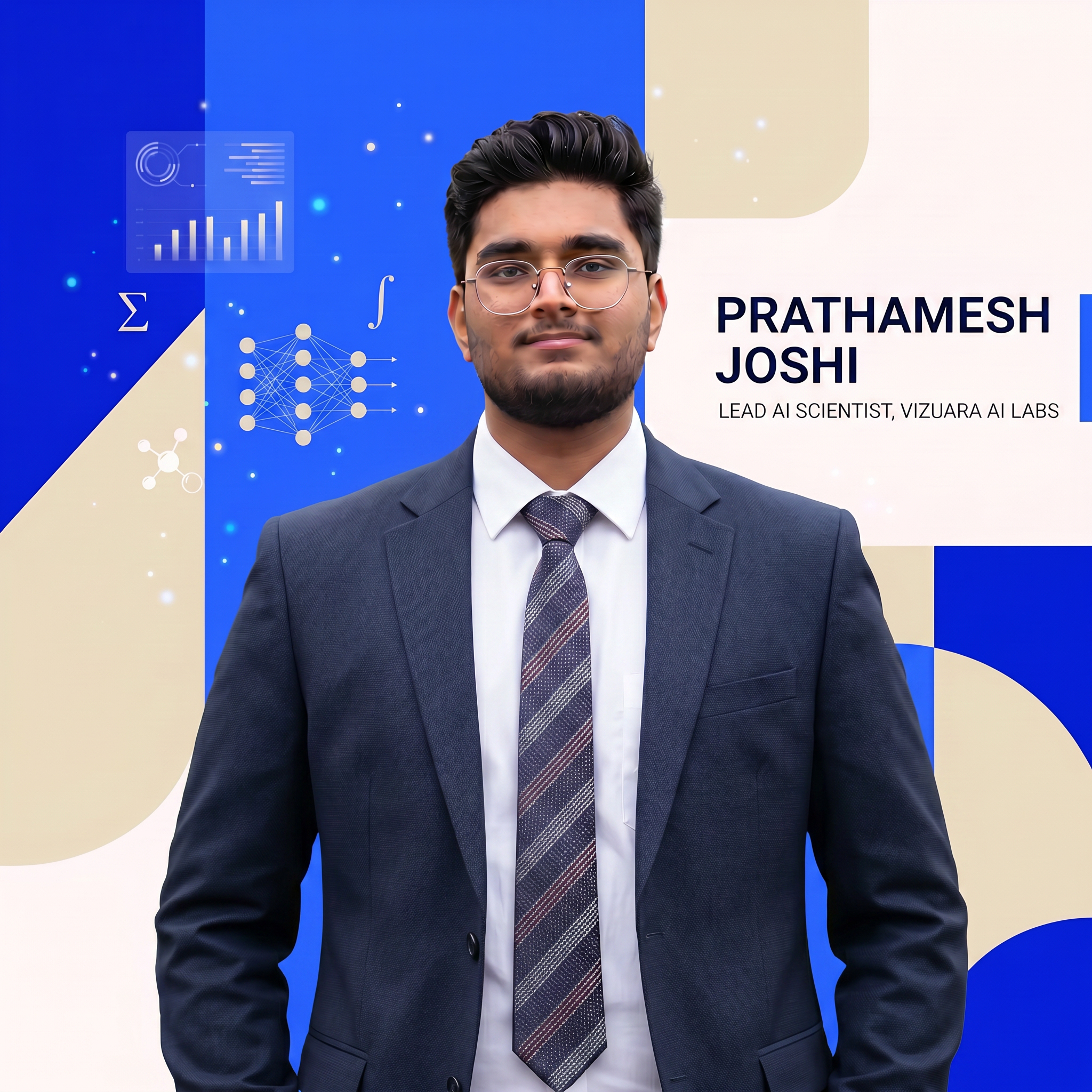
Prathamesh Joshi
Max Planck Institute alum · Generative AI & Scientific ML
Prathamesh brings expertise spanning Generative AI and Scientific Machine Learning, with publications at ICLR Workshops, IEEE conferences, and other top venues. He has mentored students through intensive bootcamps, guiding them toward publications at NeurIPS Workshops, ICLR, JuliaCon, and AAAI Workshops.
Have questions about our programs? Reach out directly.
Email us to book a free 1:1 consultation call.
Areas of Investigation
Each bootcamp has dedicated research tracks. Hover to explore the focus areas across all six programs.
Scientific ML
5 areas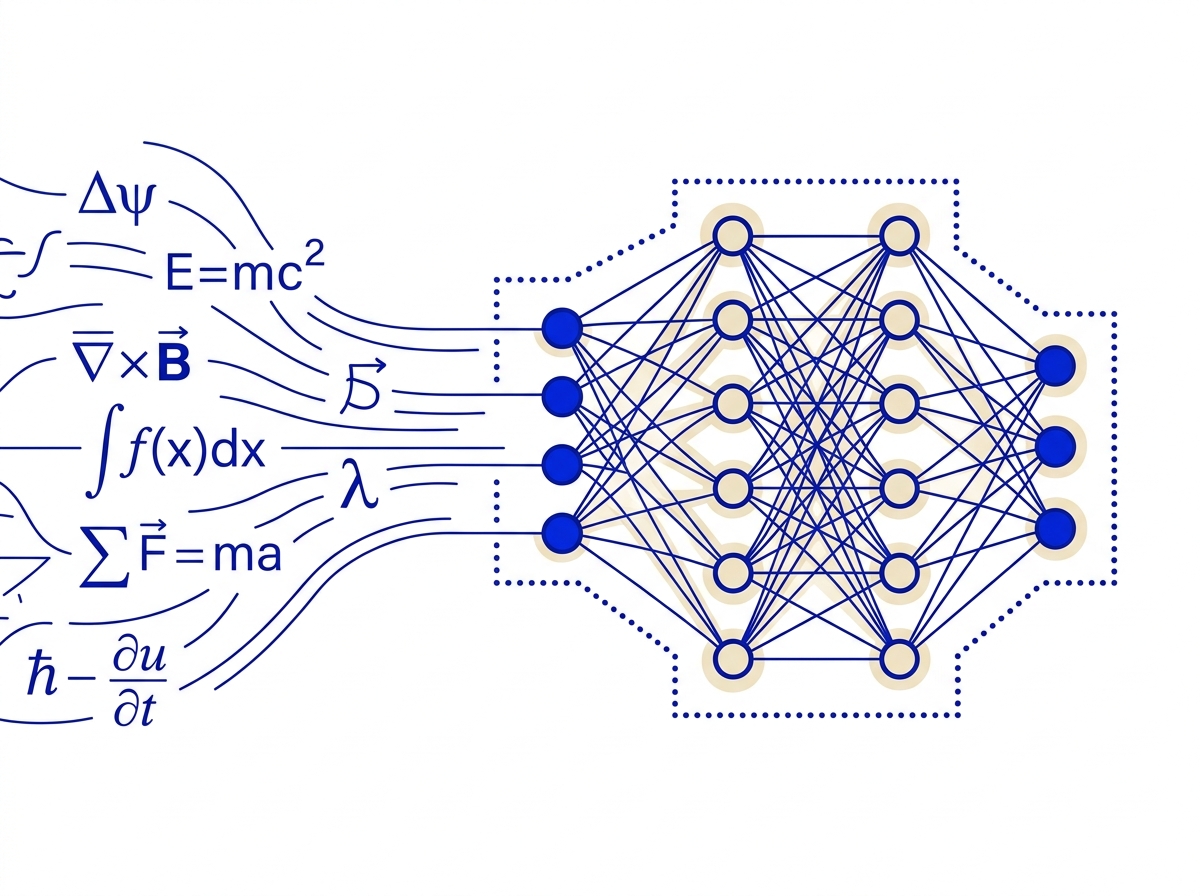
Physics-Informed Neural Networks
Encoding physical laws directly into neural network training for constrained, interpretable predictions.
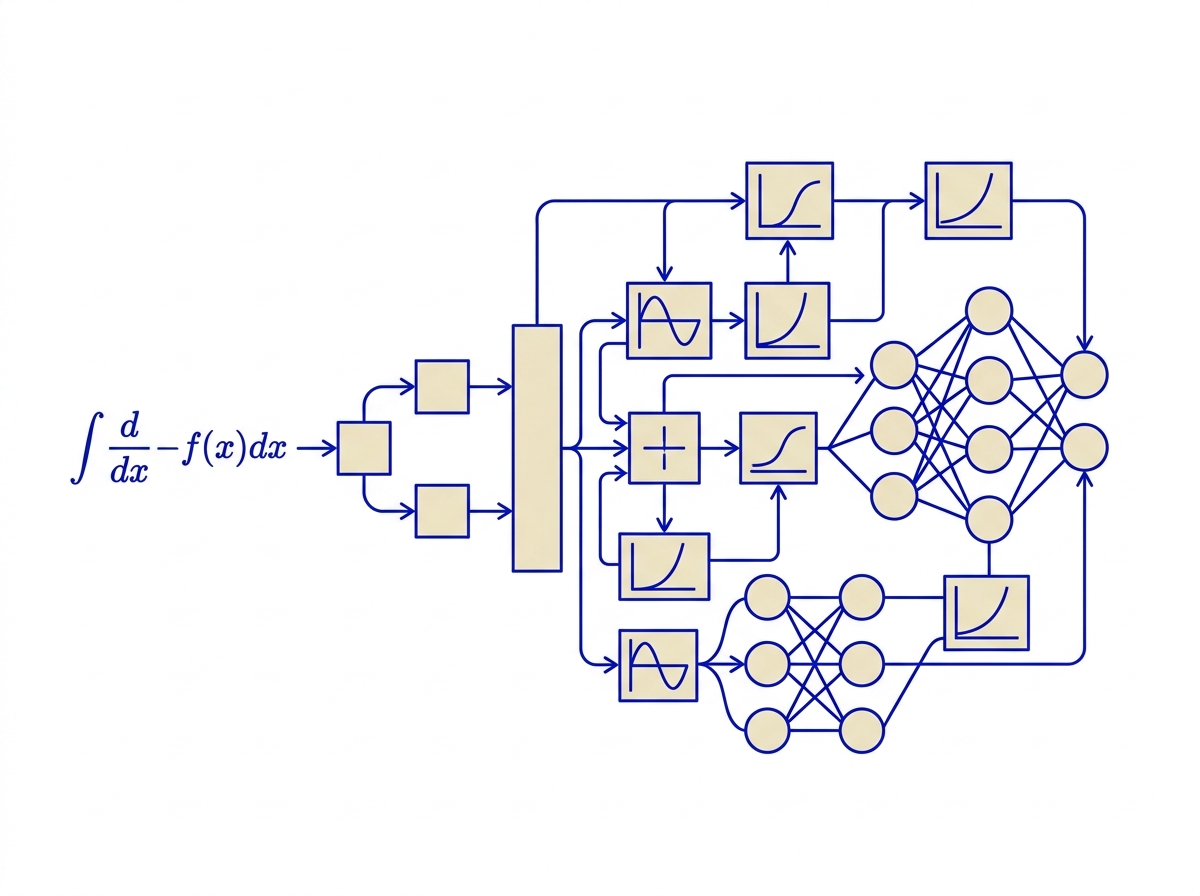
Universal Differential Equations
Combining mechanistic models with neural networks to discover missing dynamics from data.
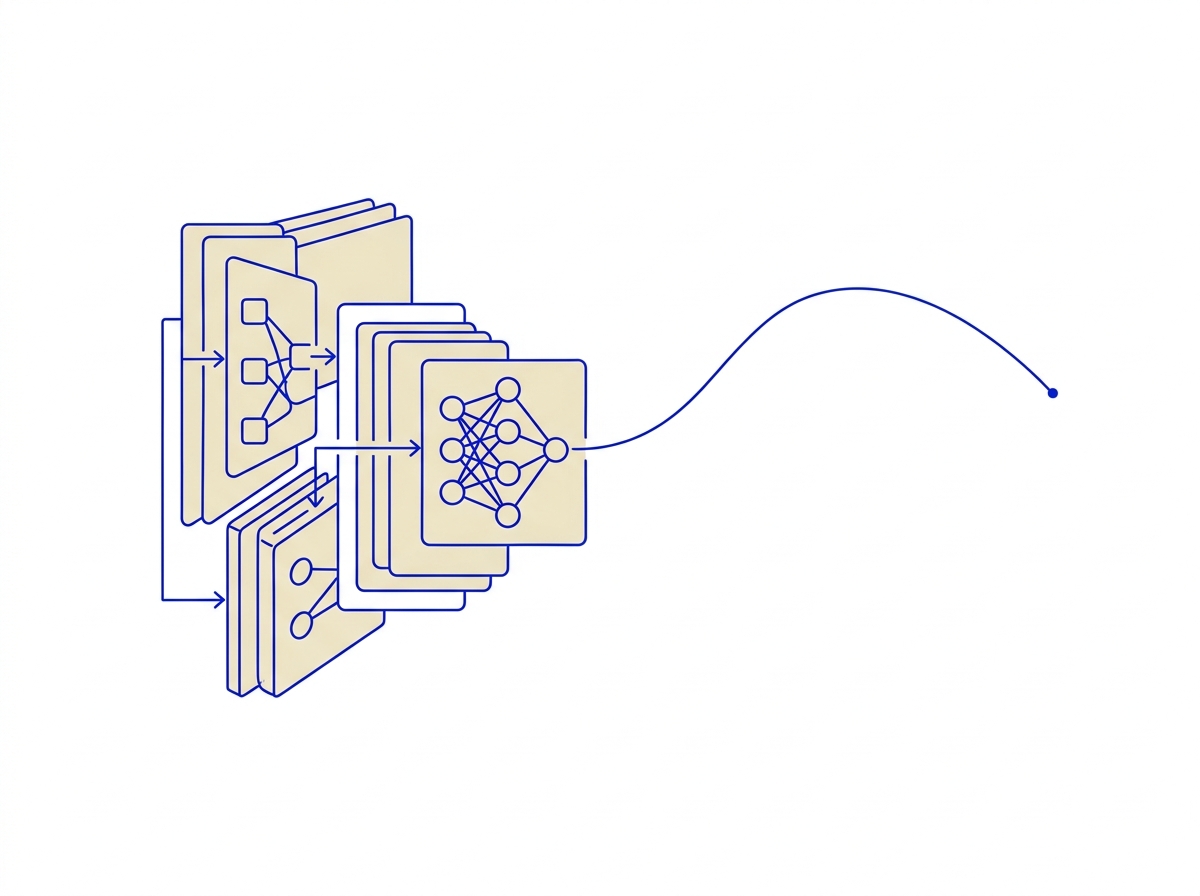
Neural ODEs
Continuous-depth models that parameterize dynamics as neural networks for time-series and physics.
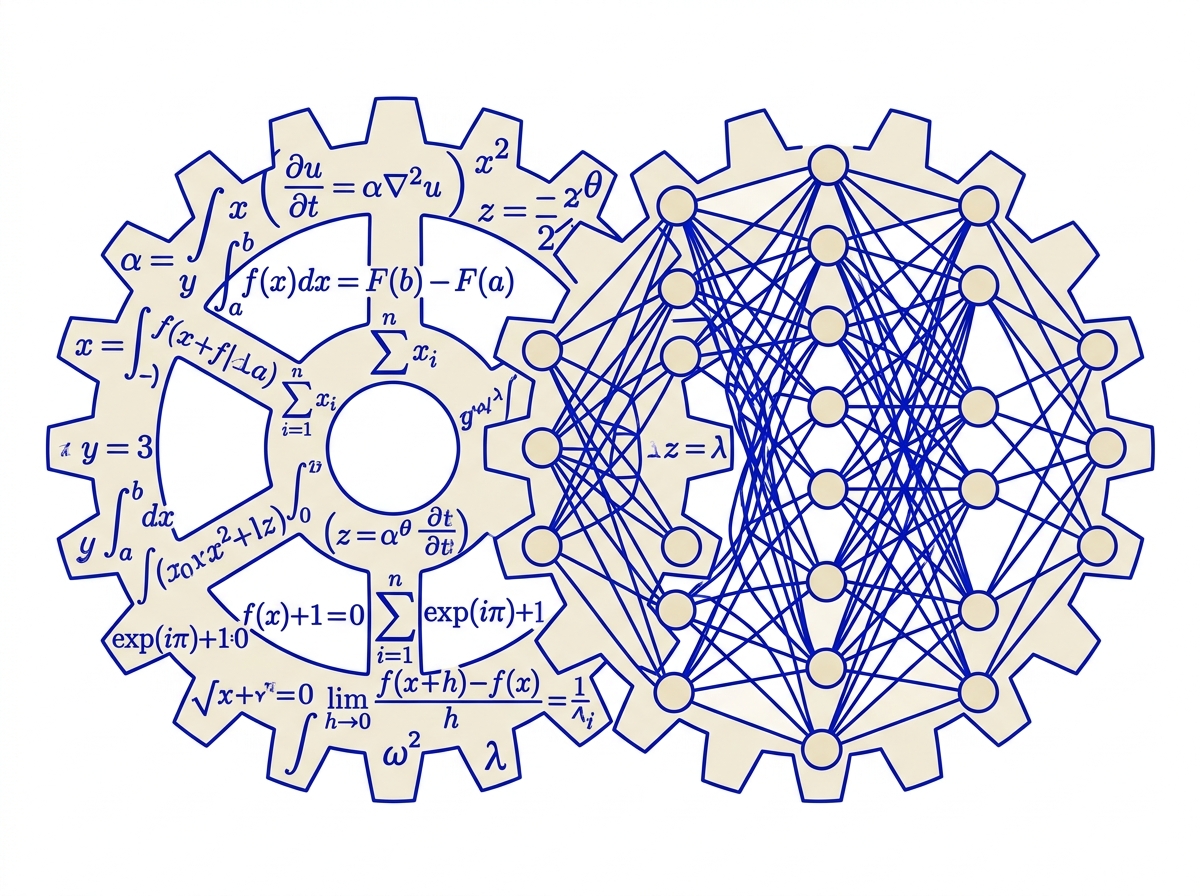
Hybrid Models
Blending analytical knowledge with data-driven learning for robust scientific predictions.
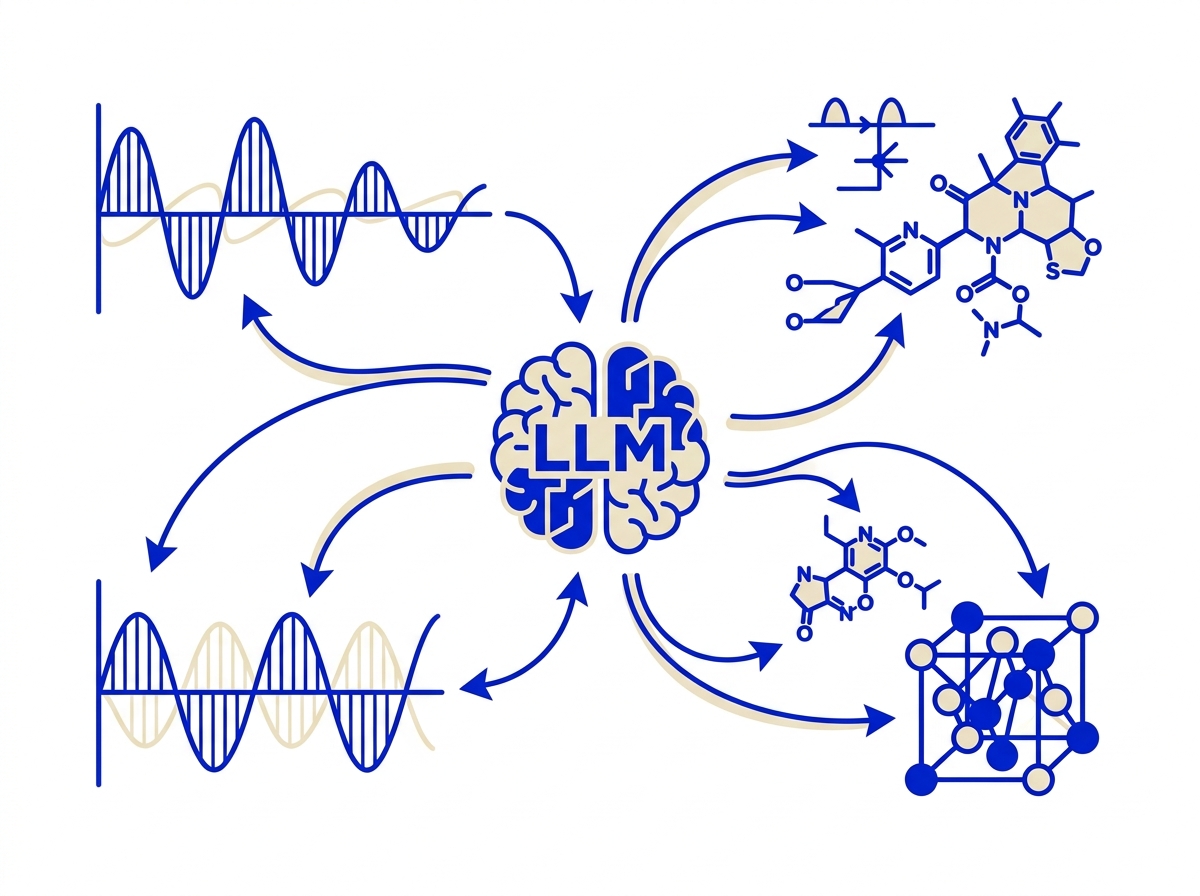
GenAI + SciML
Leveraging large language models and generative AI to accelerate scientific ML research.
Reinforcement Learning
6 areas
Fine-tuning LLMs with RL
Using reinforcement learning to fine-tune large language models for specific tasks and alignment.
Aligning SLMs to Human Preferences
Training small language models toward human preferences using RLHF and DPO techniques.
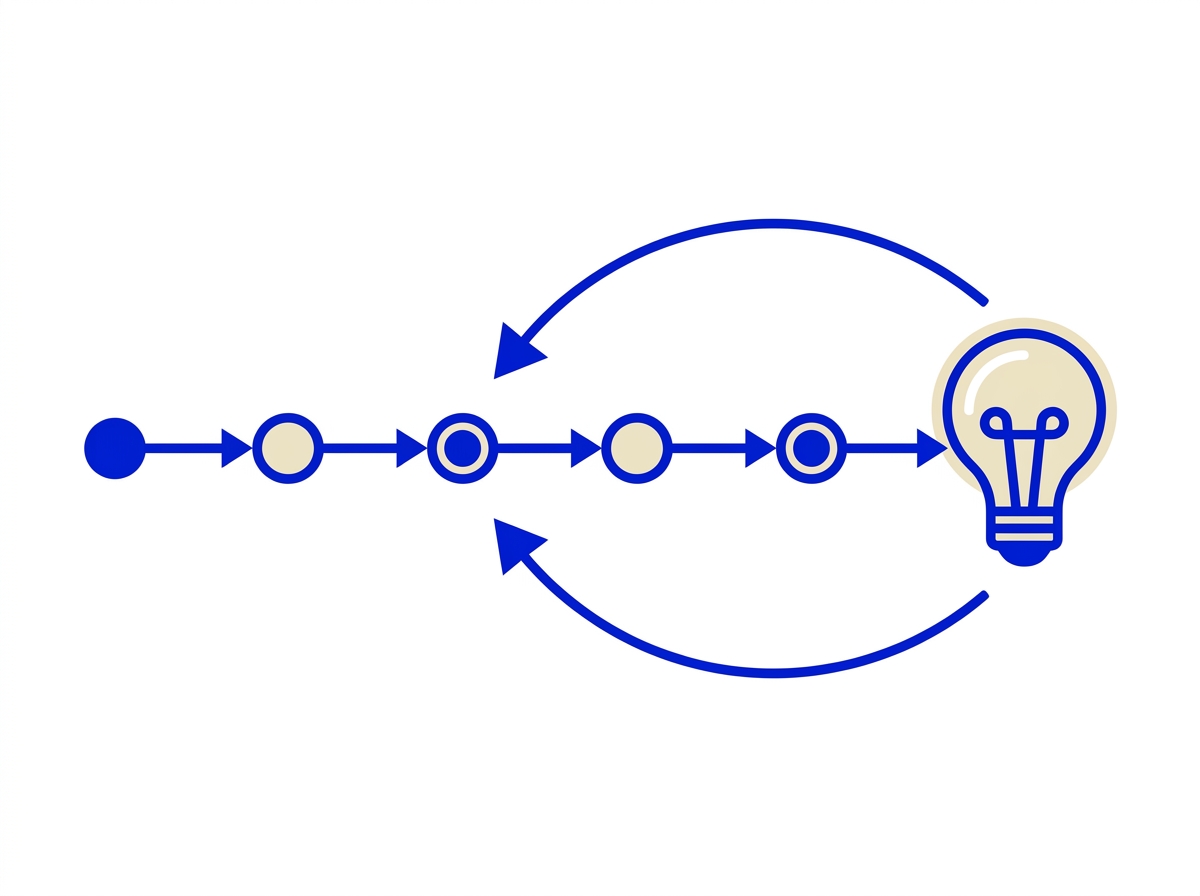
Reasoning LLMs via RL
Developing chain-of-thought and reasoning capabilities in LLMs through RL-driven training.
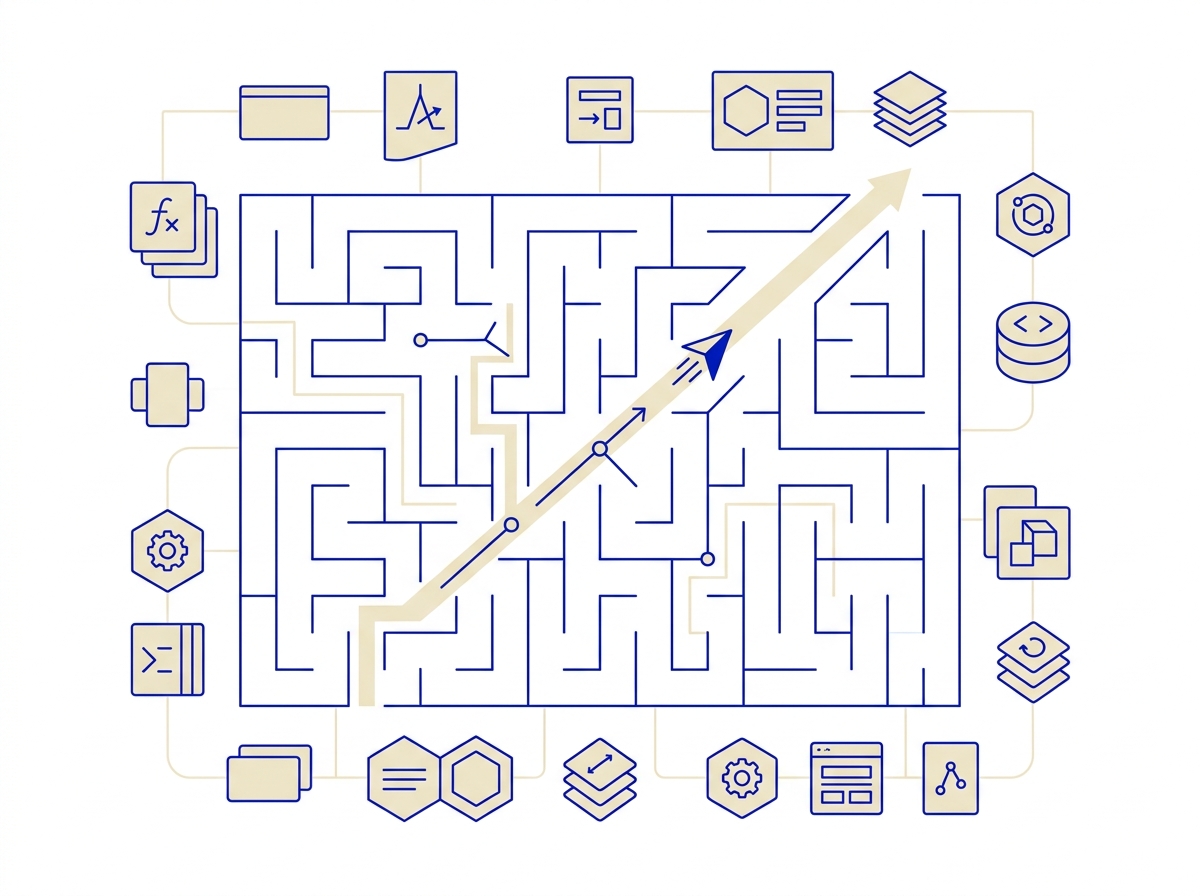
Agentic Reinforcement Learning
Building autonomous agents that use RL to navigate, plan, and interact with tool environments.
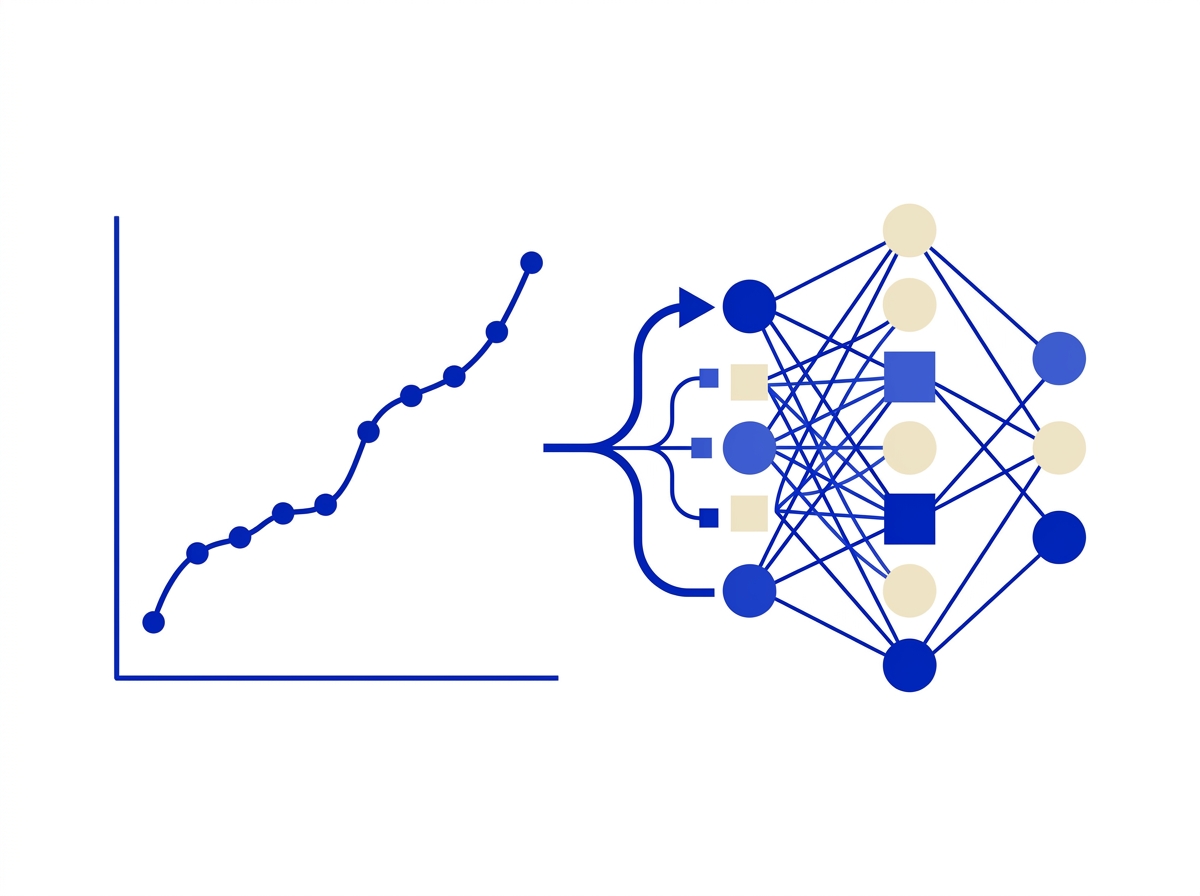
Smart Reward Construction
Designing reward functions that guide RL agents toward desired behaviors without reward hacking.
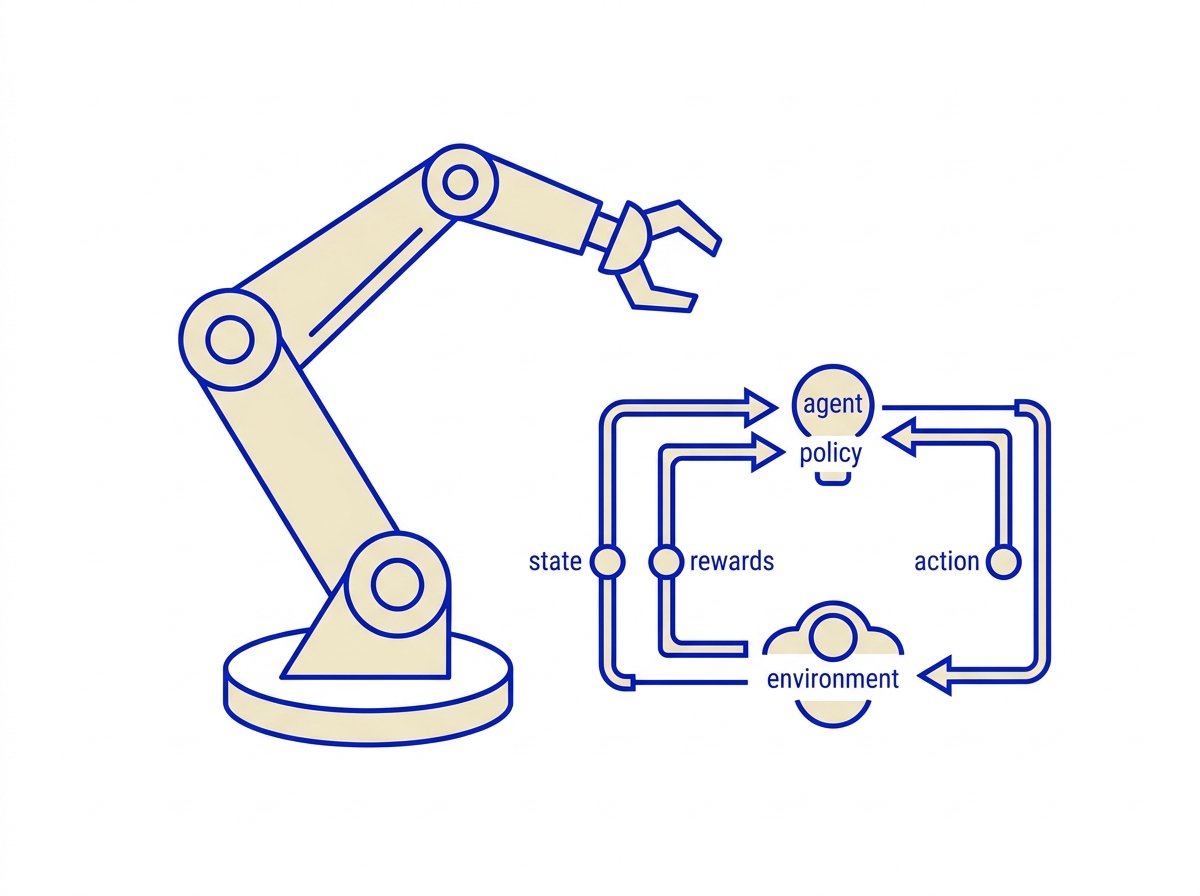
RL in Robotics
Applying reinforcement learning to robotic manipulation and locomotion using the LeRobot library.
ML / Deep Learning
3 areas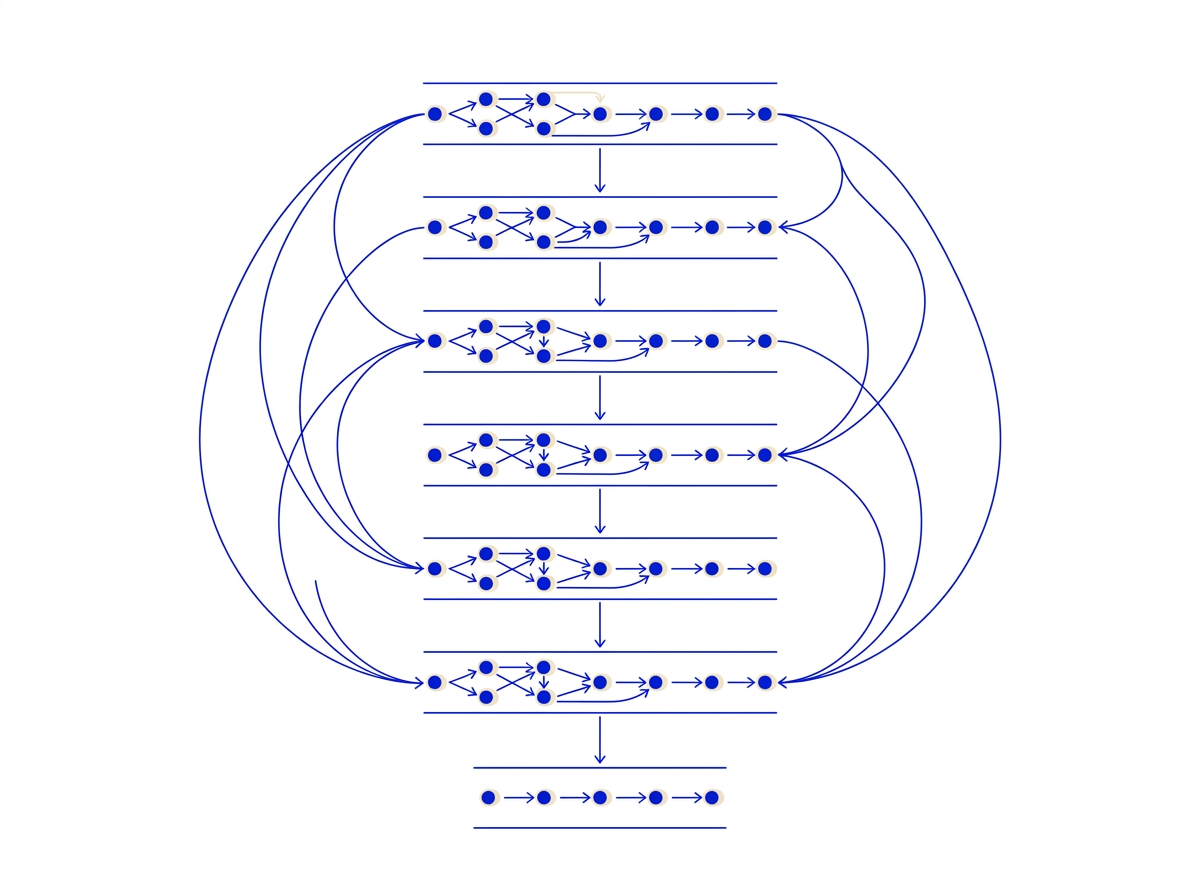
Deep Architectures
Designing and training CNNs, RNNs, Transformers, and other modern deep learning architectures for research.
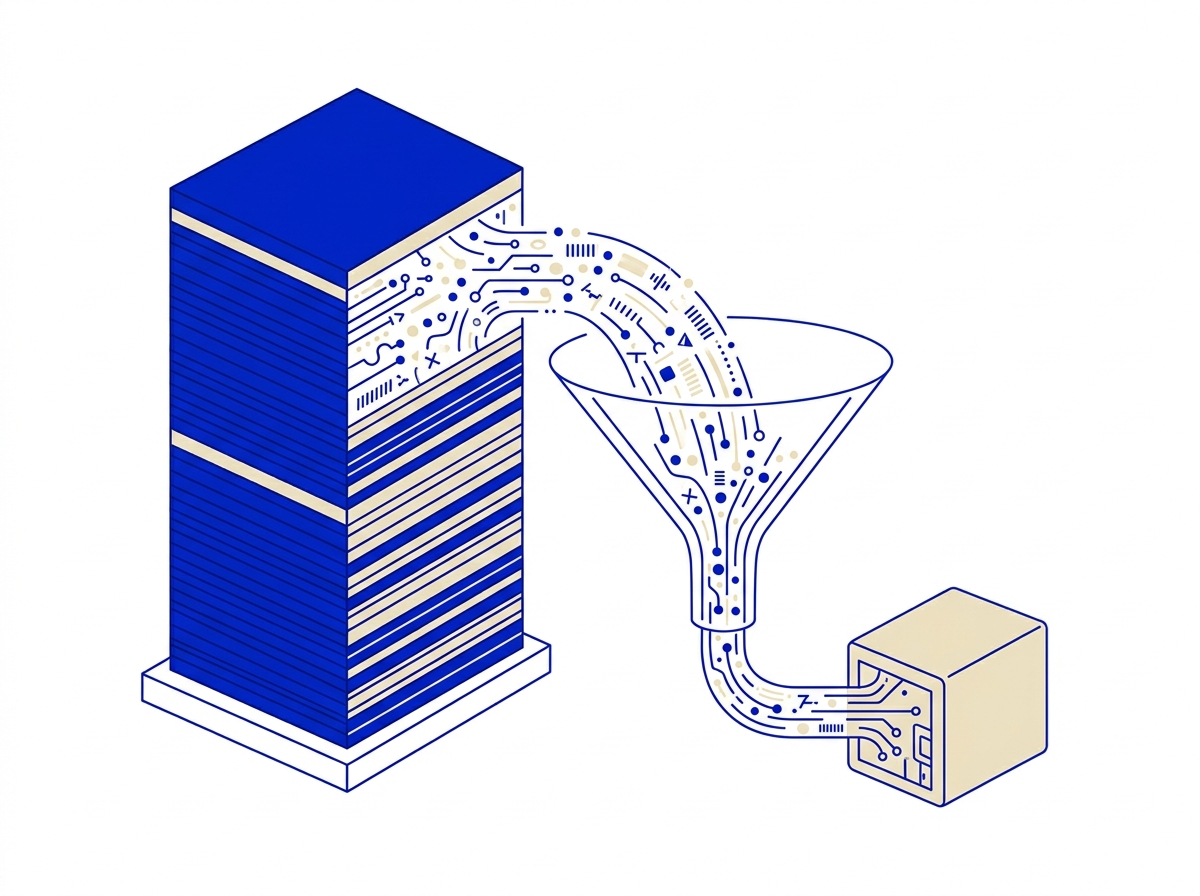
Transfer & Few-Shot Learning
Adapting pre-trained models to new domains and tasks with minimal labeled data.
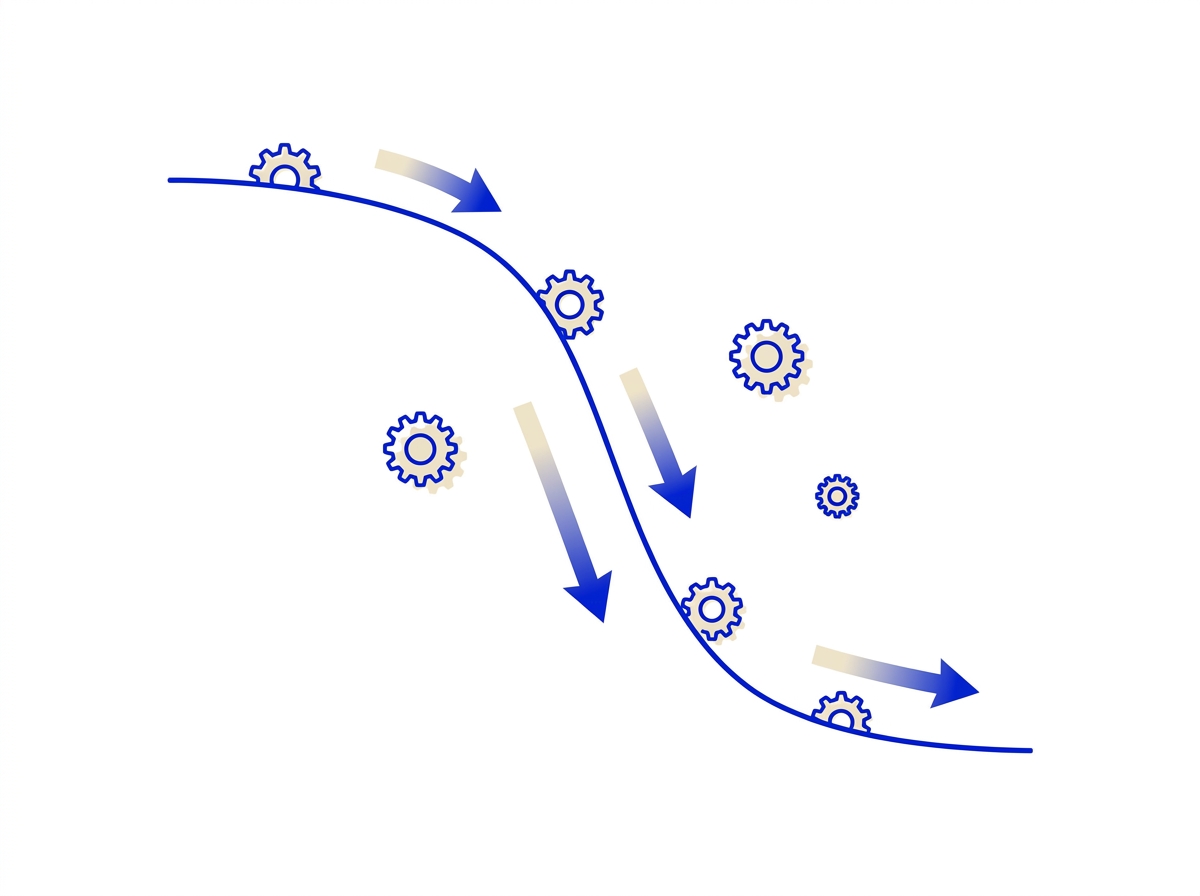
Training Acceleration
Optimizers, learning rate schedules, mixed-precision, and distributed training for faster convergence.
Computer Vision
7 areas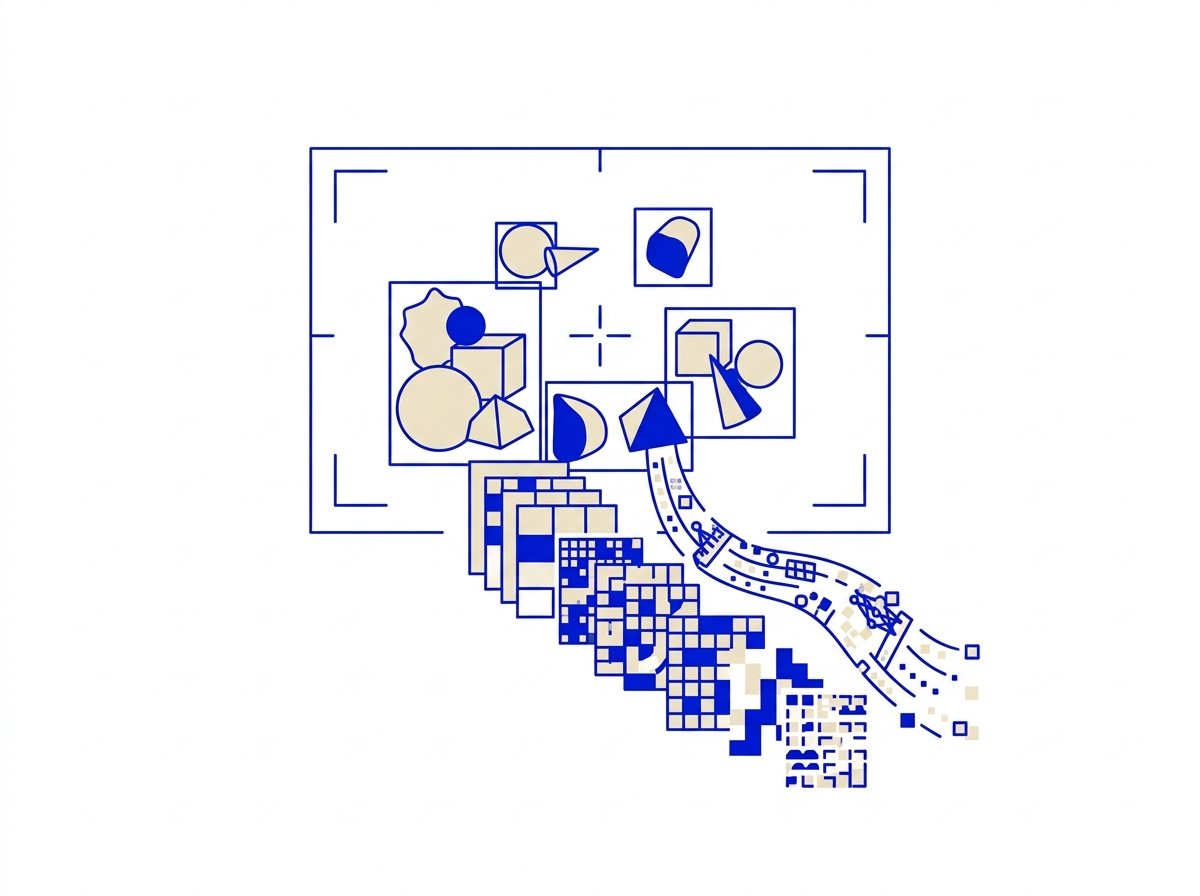
Object Detection
Localizing and classifying objects in images using modern detection architectures.

Segmentation
Pixel-level scene understanding with clean contour boundaries and region parsing.
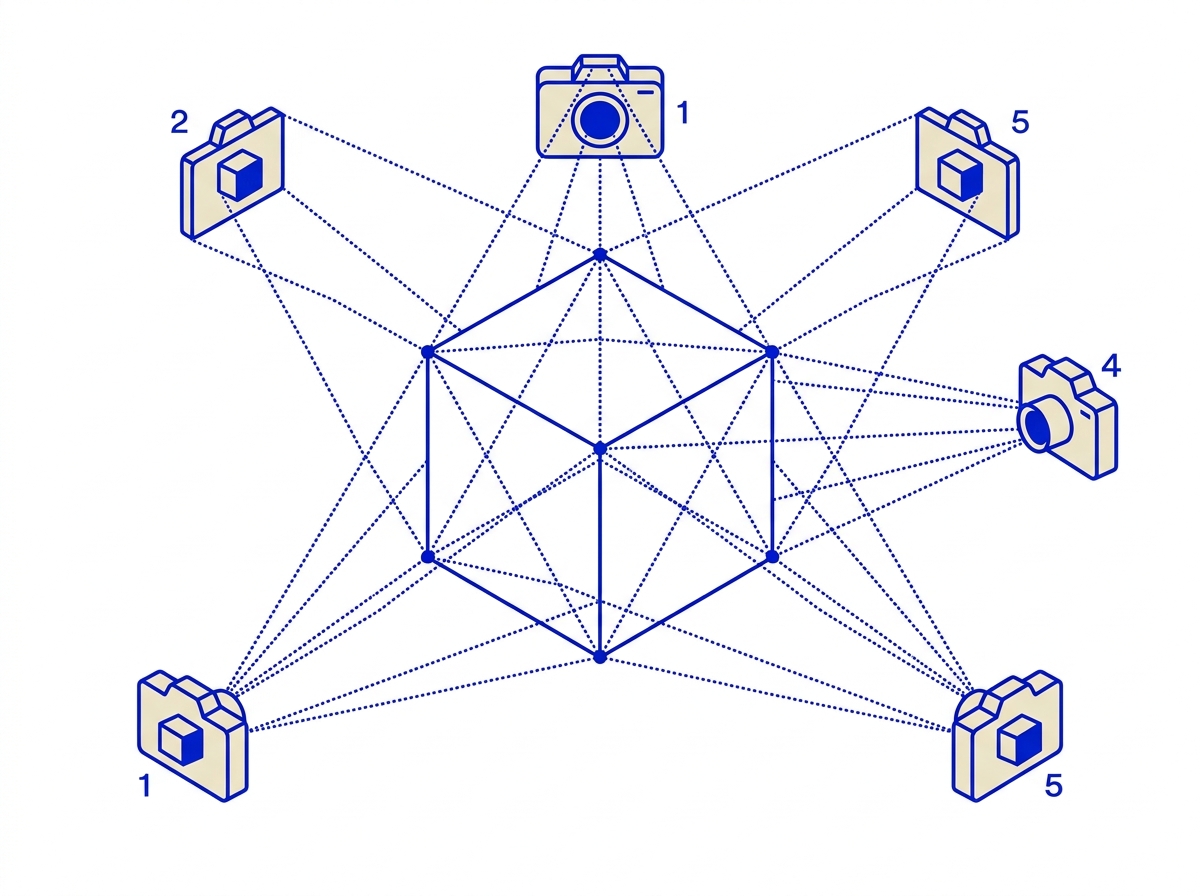
3D Vision
Reconstructing 3D geometry from multi-view images using neural implicit representations.
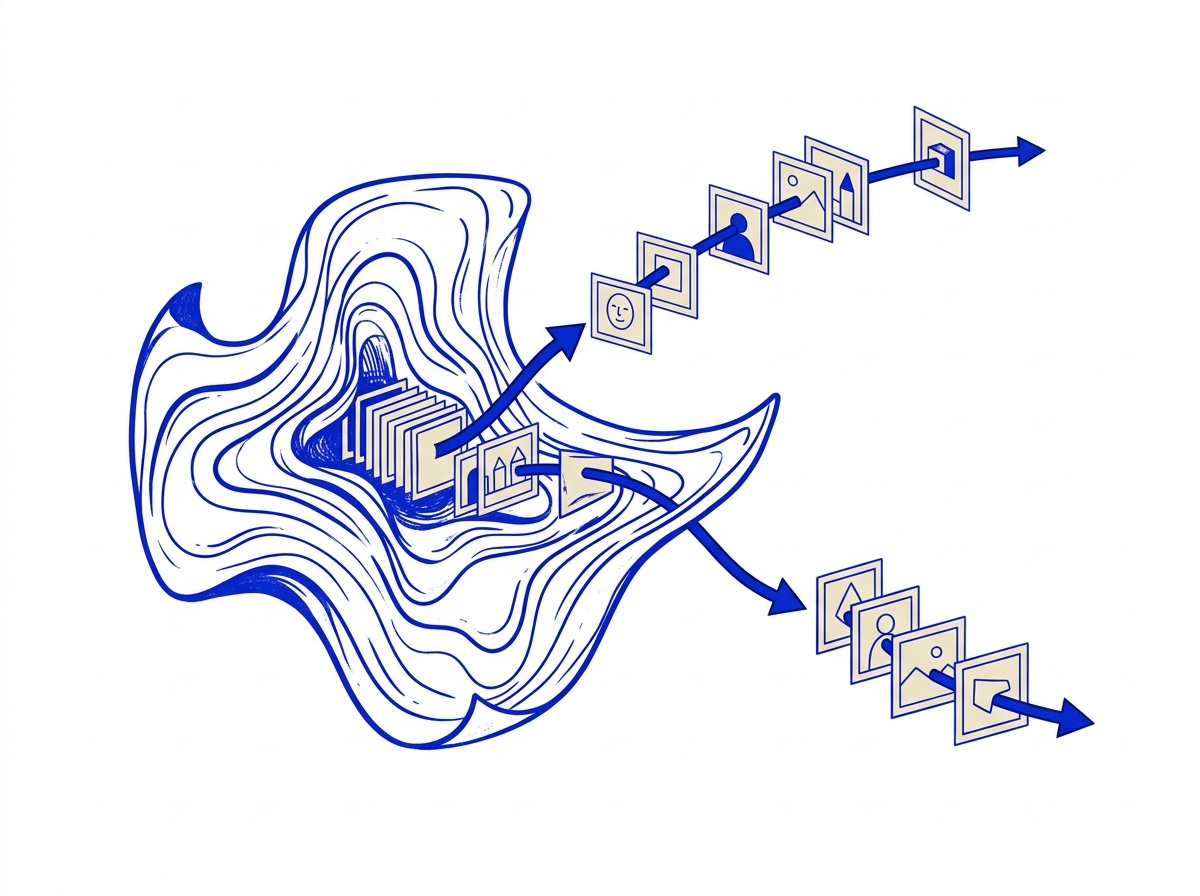
Generative Vision
Diffusion models, GANs, and VAEs for image synthesis, editing, and style transfer.
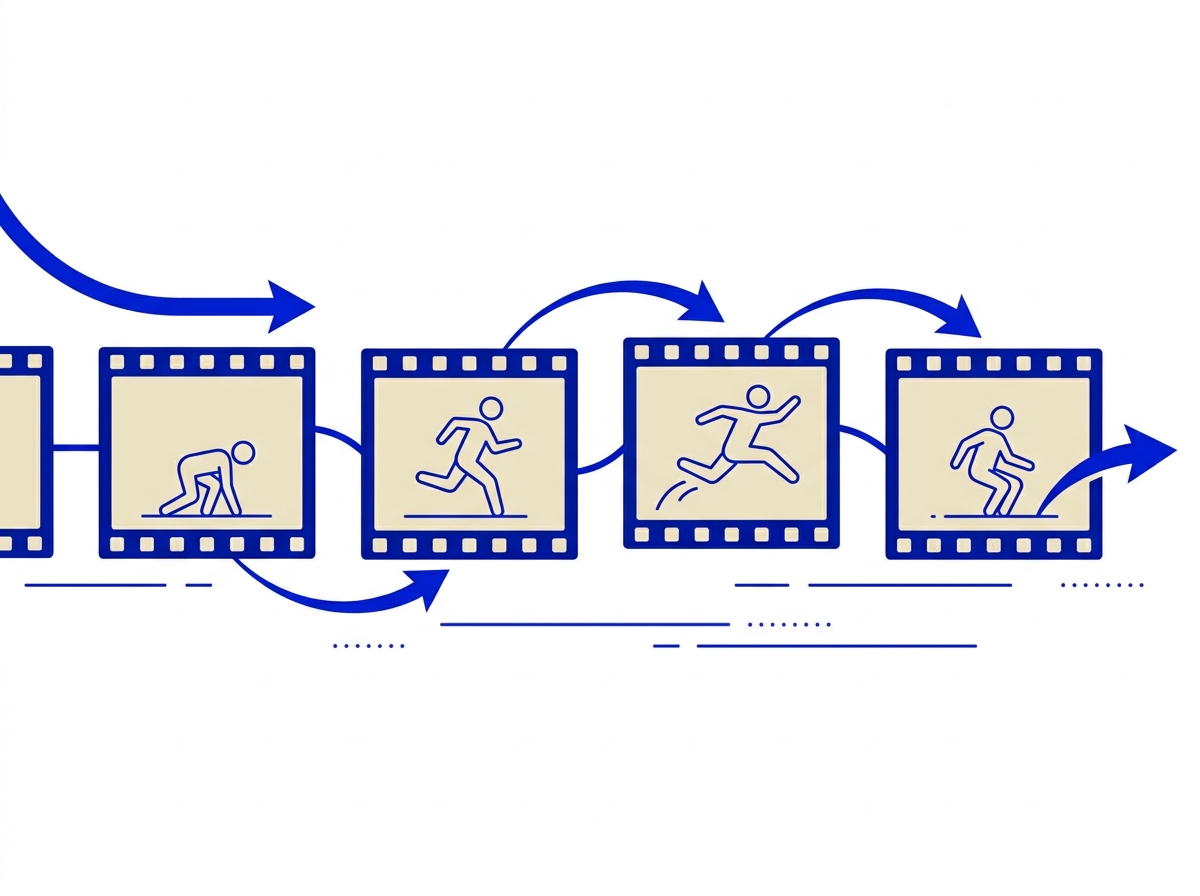
Video Understanding
Temporal modeling, action recognition, and motion estimation across video sequences.
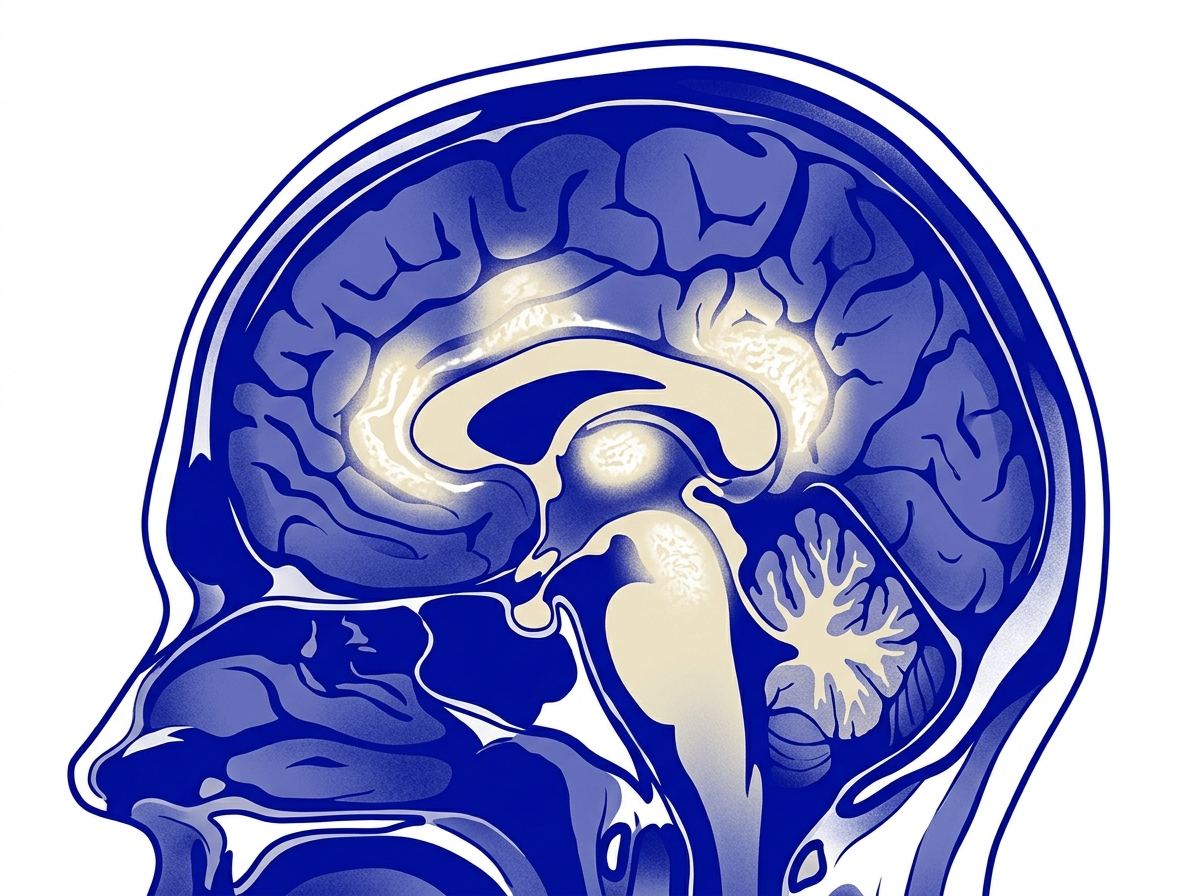
Medical Imaging
AI-driven analysis of medical scans for detection, segmentation, and diagnosis support.
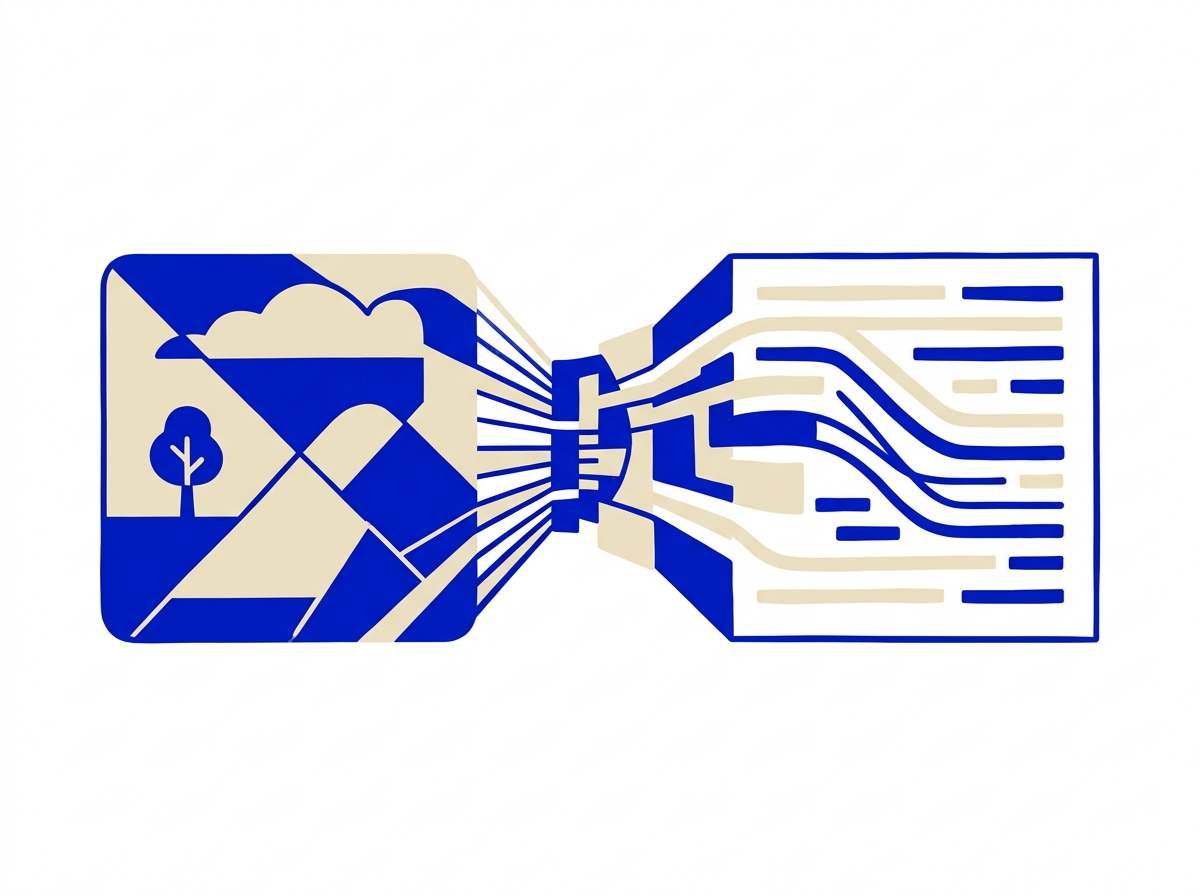
Vision-Language Models
Bridging visual and textual understanding with multimodal transformers and VLMs.
Generative AI
5 areas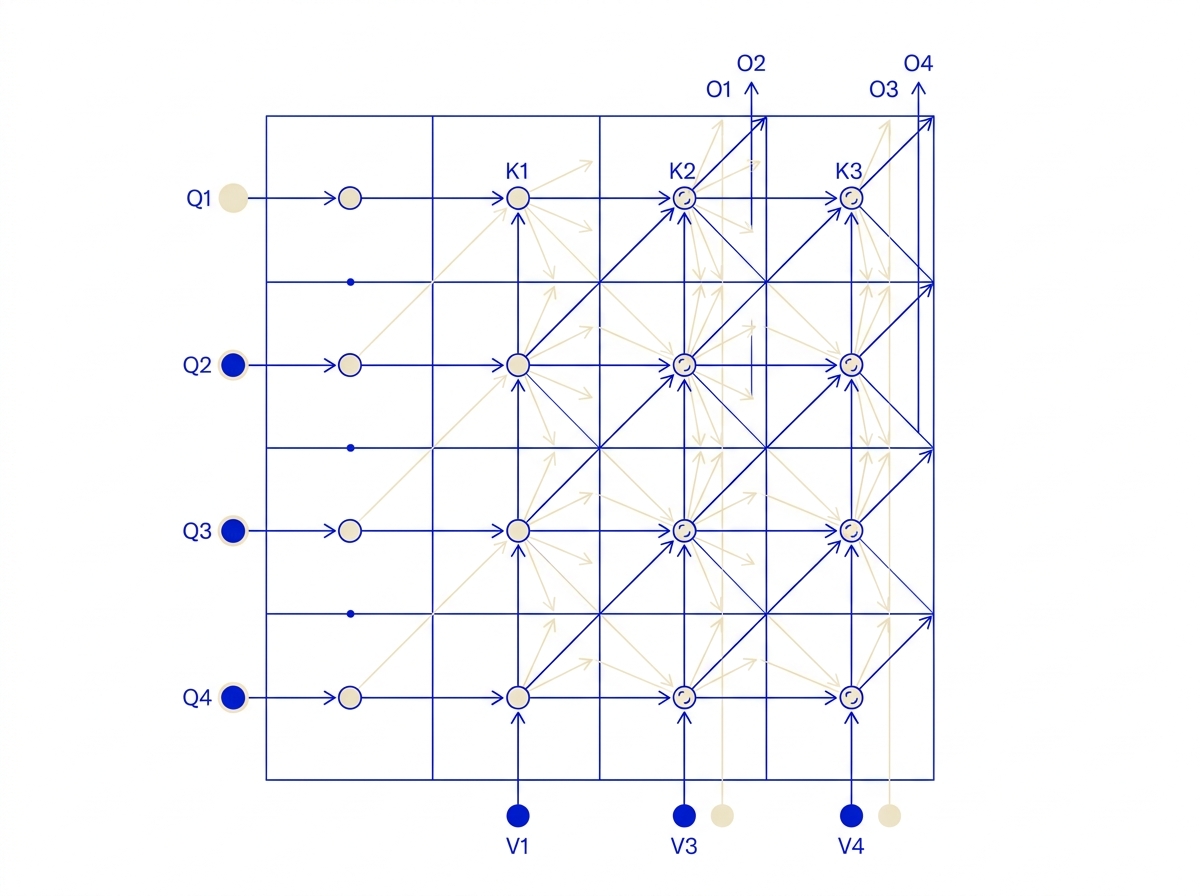
Transformer Architectures
Deep dive into attention mechanisms, positional encodings, and architecture innovations.

Prompt Engineering
Crafting and optimizing prompts for controlled, high-quality LLM outputs.
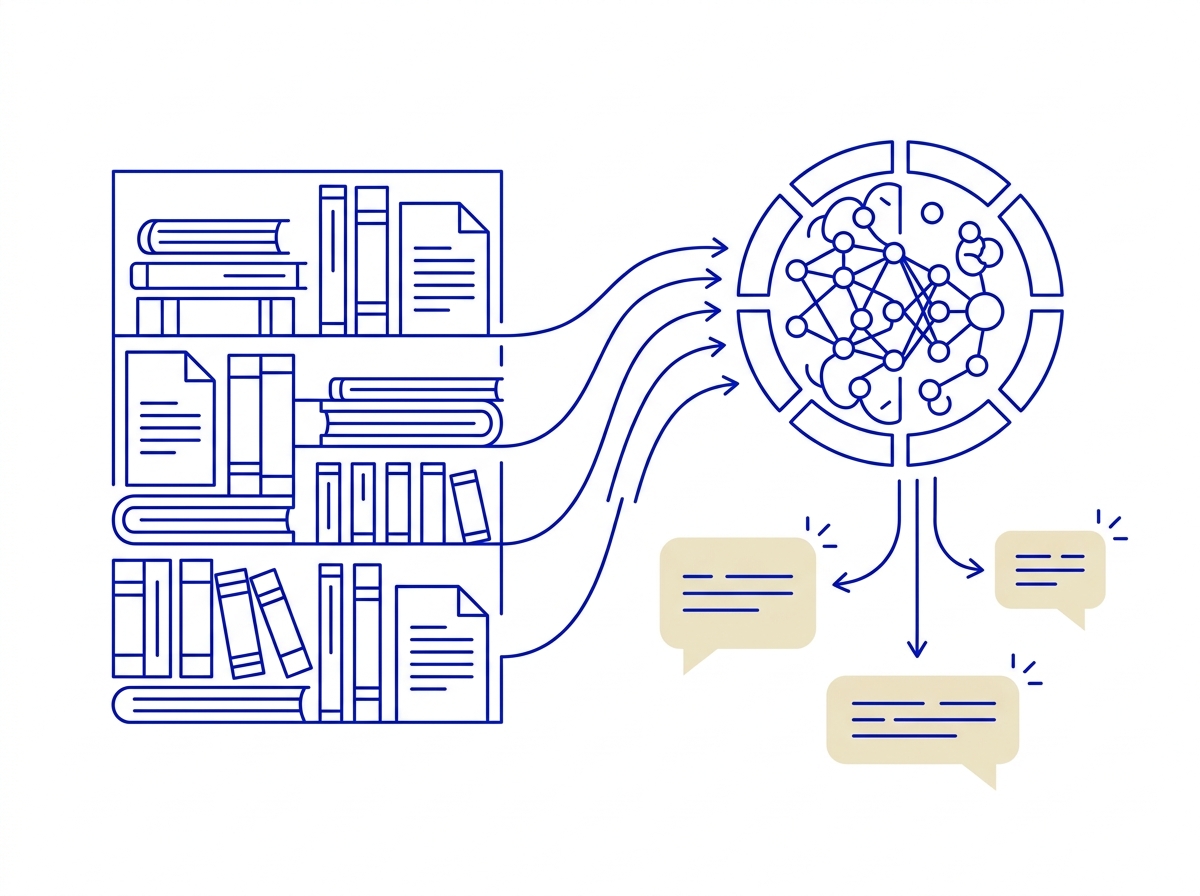
RAG Systems
Combining external knowledge retrieval with LLMs for grounded, factual generation.
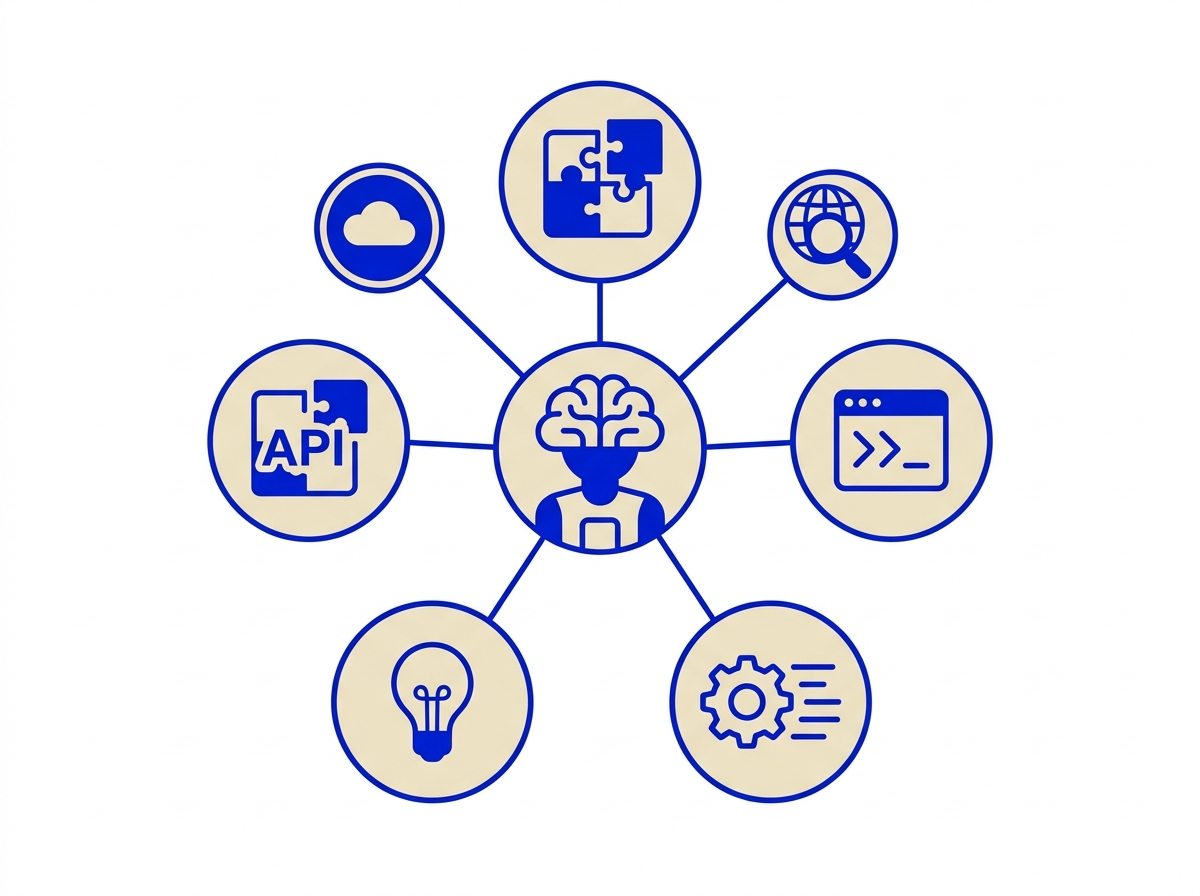
AI Agents & Tools
Building autonomous agents that plan, reason, and interact with APIs and external tools.
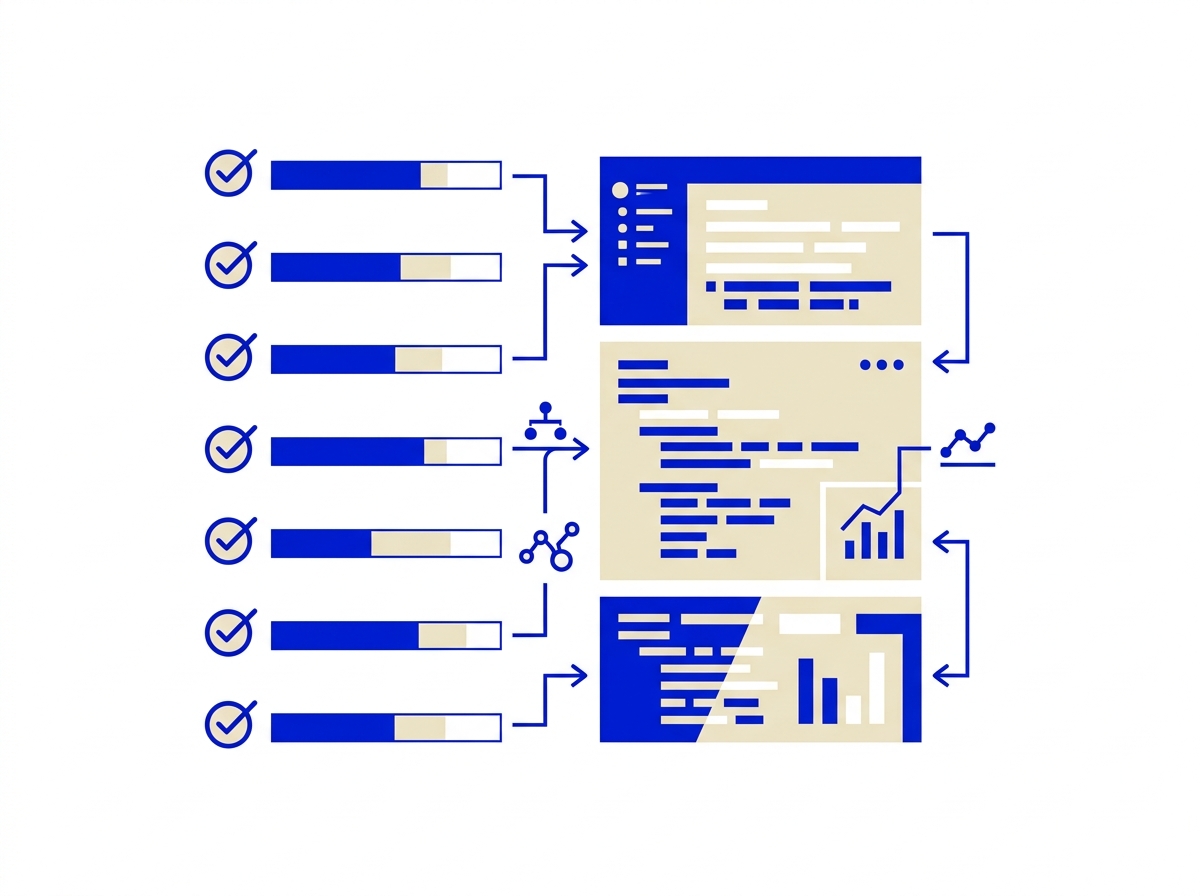
LLM Evaluation
Systematic evaluation of LLM capabilities across reasoning, safety, and domain tasks.
AI High School Research
4 areas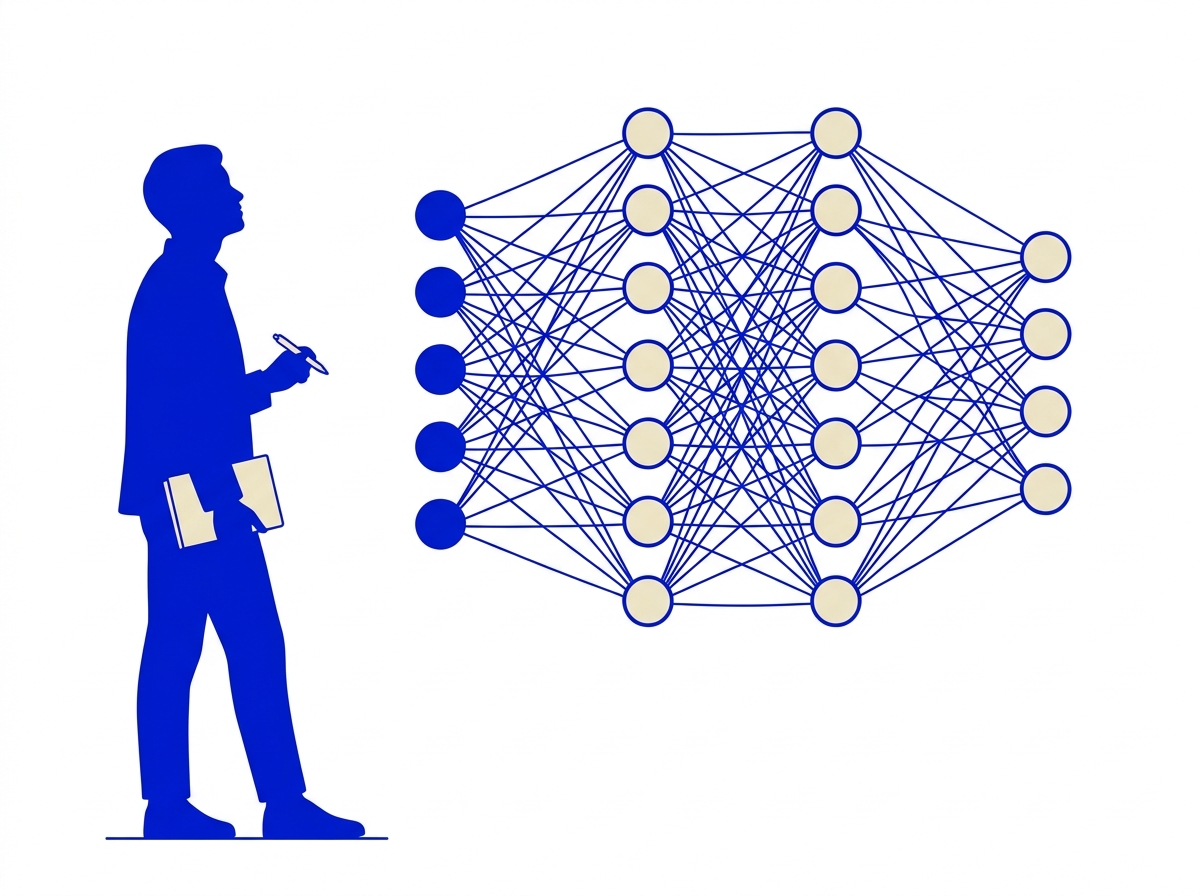
Intro to AI & ML
Foundational concepts in machine learning, neural networks, and data-driven thinking for beginners.
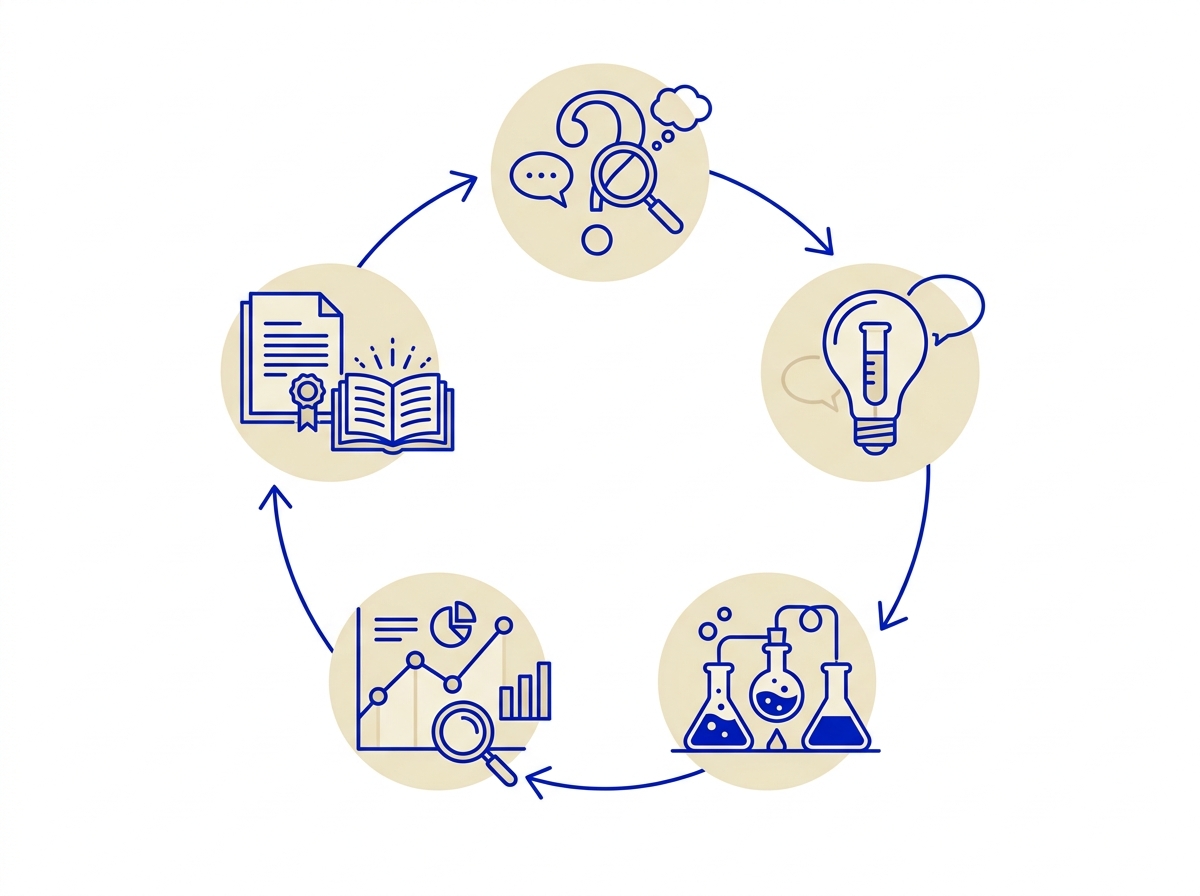
Scientific Method
Learning to formulate hypotheses, design experiments, and analyze results in AI research.
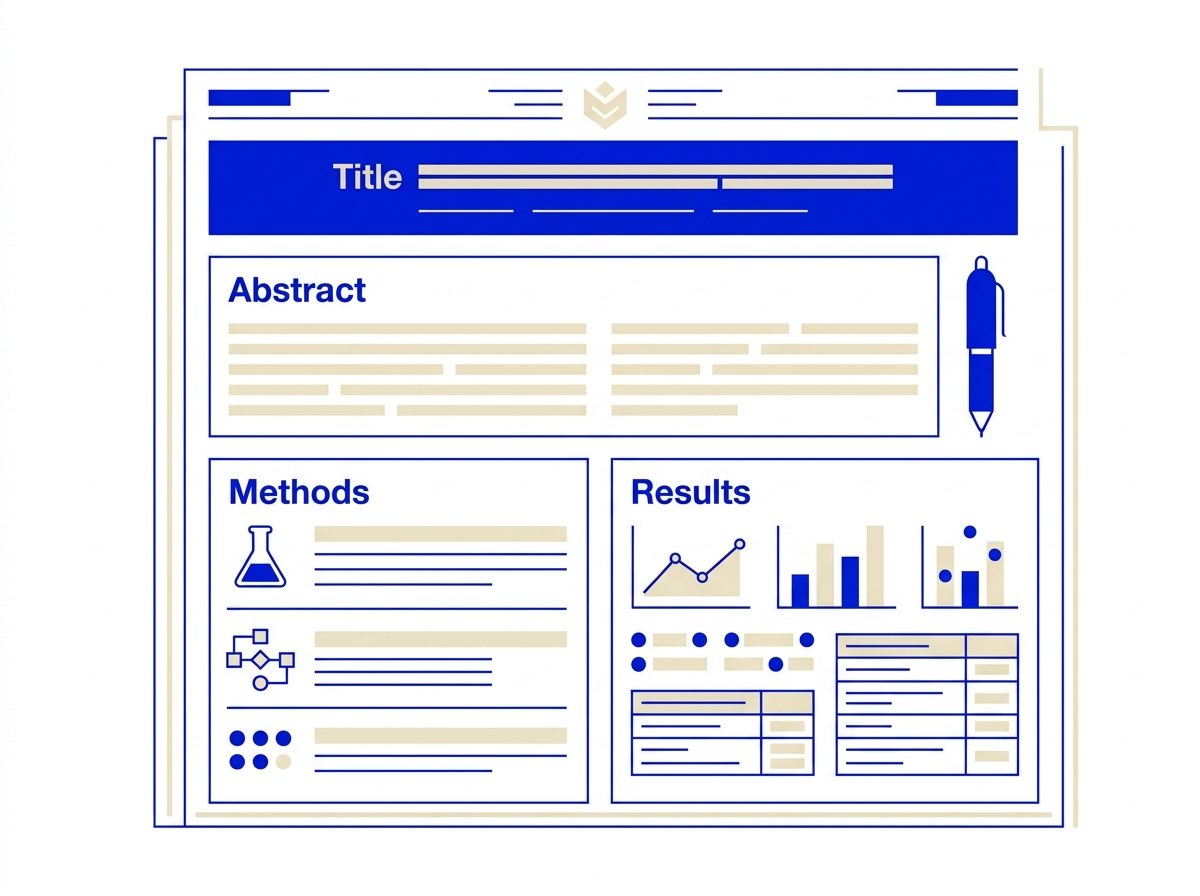
Paper Writing
Structuring abstracts, methods, results, and discussions for publication-ready academic papers.
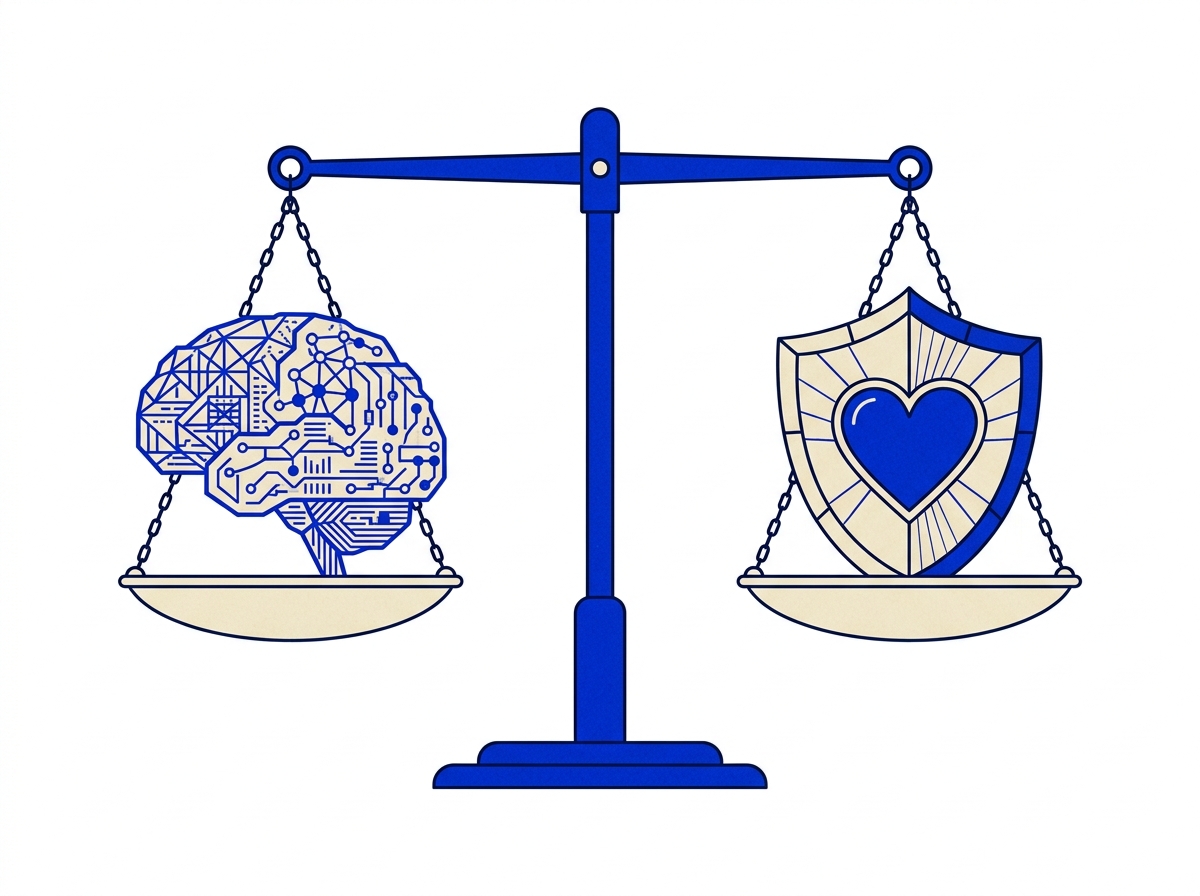
AI Ethics
Understanding bias, fairness, transparency, and societal impacts of artificial intelligence.
Founded by Researchers
An interdisciplinary team with roots in MIT, Purdue, and IIT Madras.
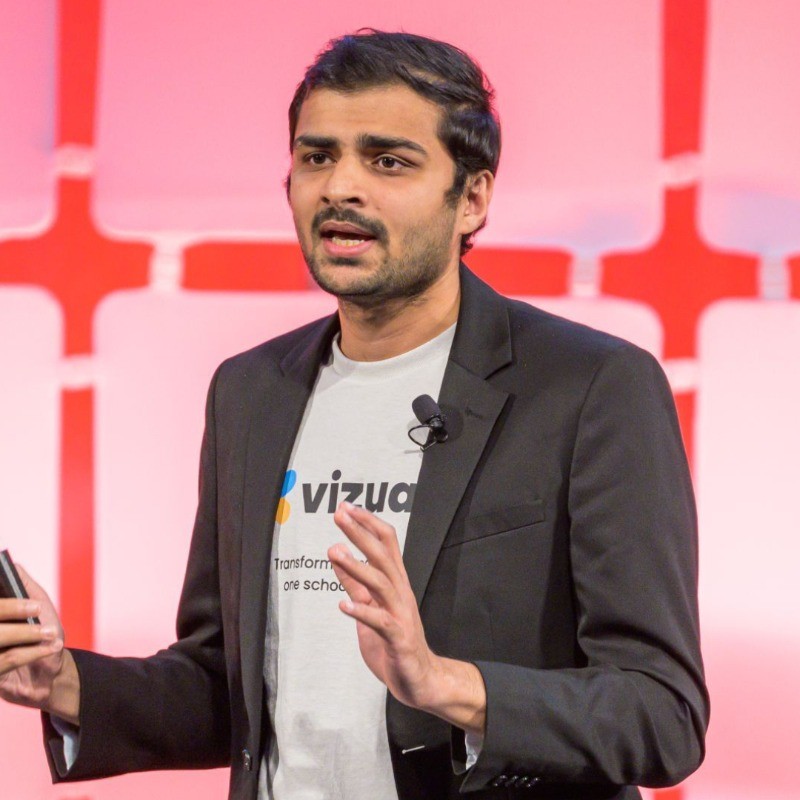 MIT PhD
Dr. Raj Dandekar
Co-founder, Vizuara AI Labs
PhD from MIT, B.Tech from IIT Madras. Dr. Raj specializes in building LLMs from scratch, including DeepSeek-style architectures. His expertise spans AI agents, scientific machine learning, and end-to-end model development.
 MIT
MIT IIT Madras
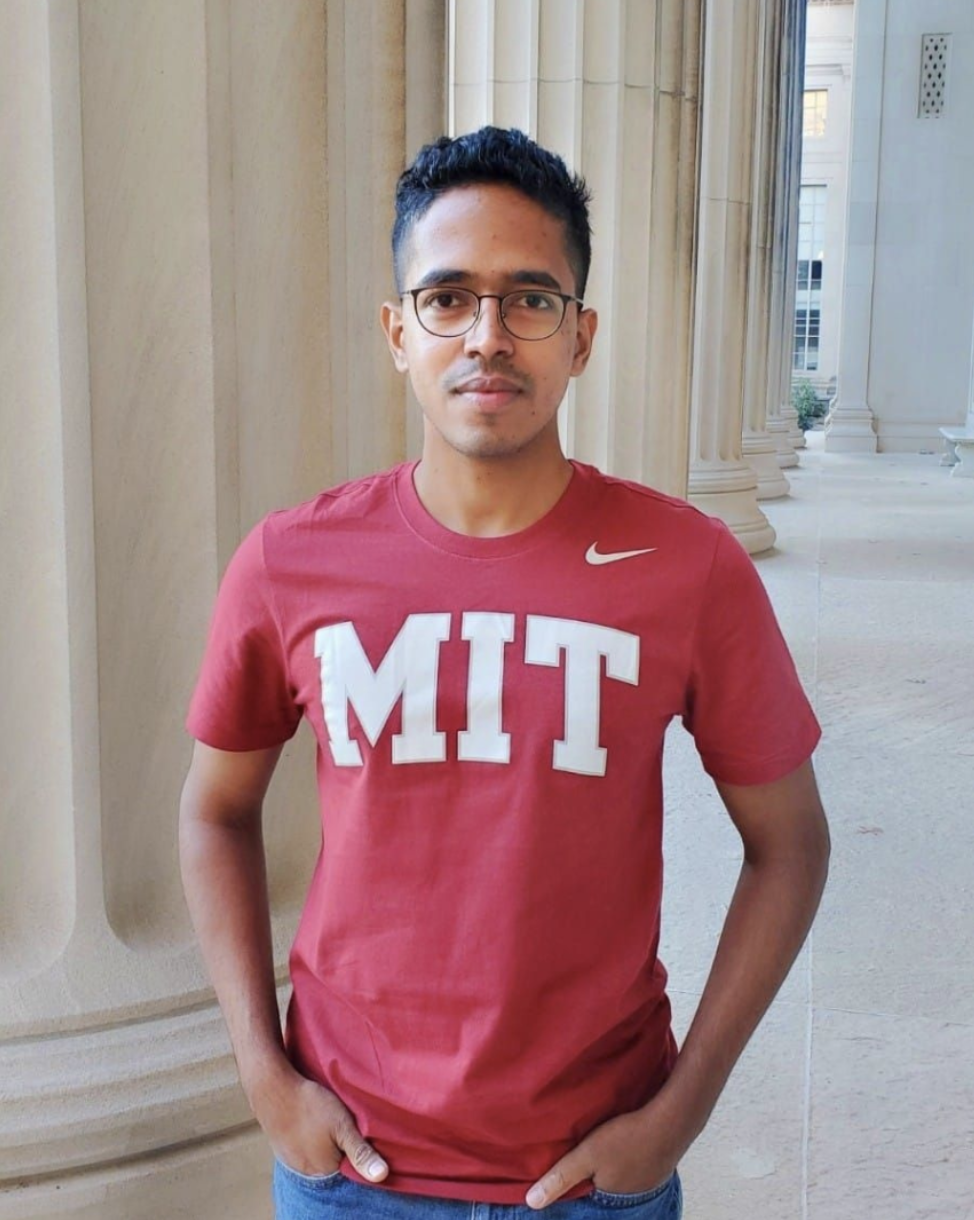 MIT PhD
Dr. Sreedath Panat
Co-founder, Vizuara AI Labs
PhD from MIT, B.Tech from IIT Madras. 10+ years of research experience. Dr. Panat brings deep technical expertise from both academia and industry to make complex AI concepts accessible and practical.
MITIIT Madras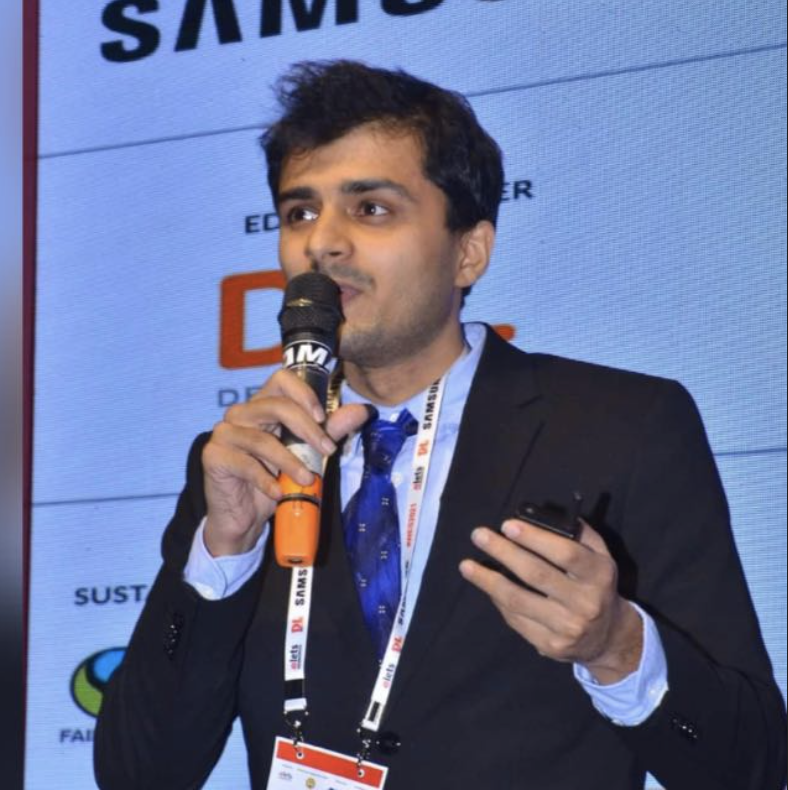 Purdue PhD
Dr. Rajat Dandekar
Co-founder, Vizuara AI Labs
PhD from Purdue University, B.Tech and M.Tech from IIT Madras. Dr. Rajat brings deep expertise in reinforcement learning and reasoning models, focusing on advanced AI techniques for real-world applications.
 PurdueIIT Madras
Stories from our researchers
Milestones, acceptances, and moments shared by Vizuara students and alumni on LinkedIn.
In their own words
Reflections from researchers who have been through a Vizuara bootcamp.
Frequently Asked Questions
Everything you need to know about our research bootcamps.
Still have questions?
Contact Us